

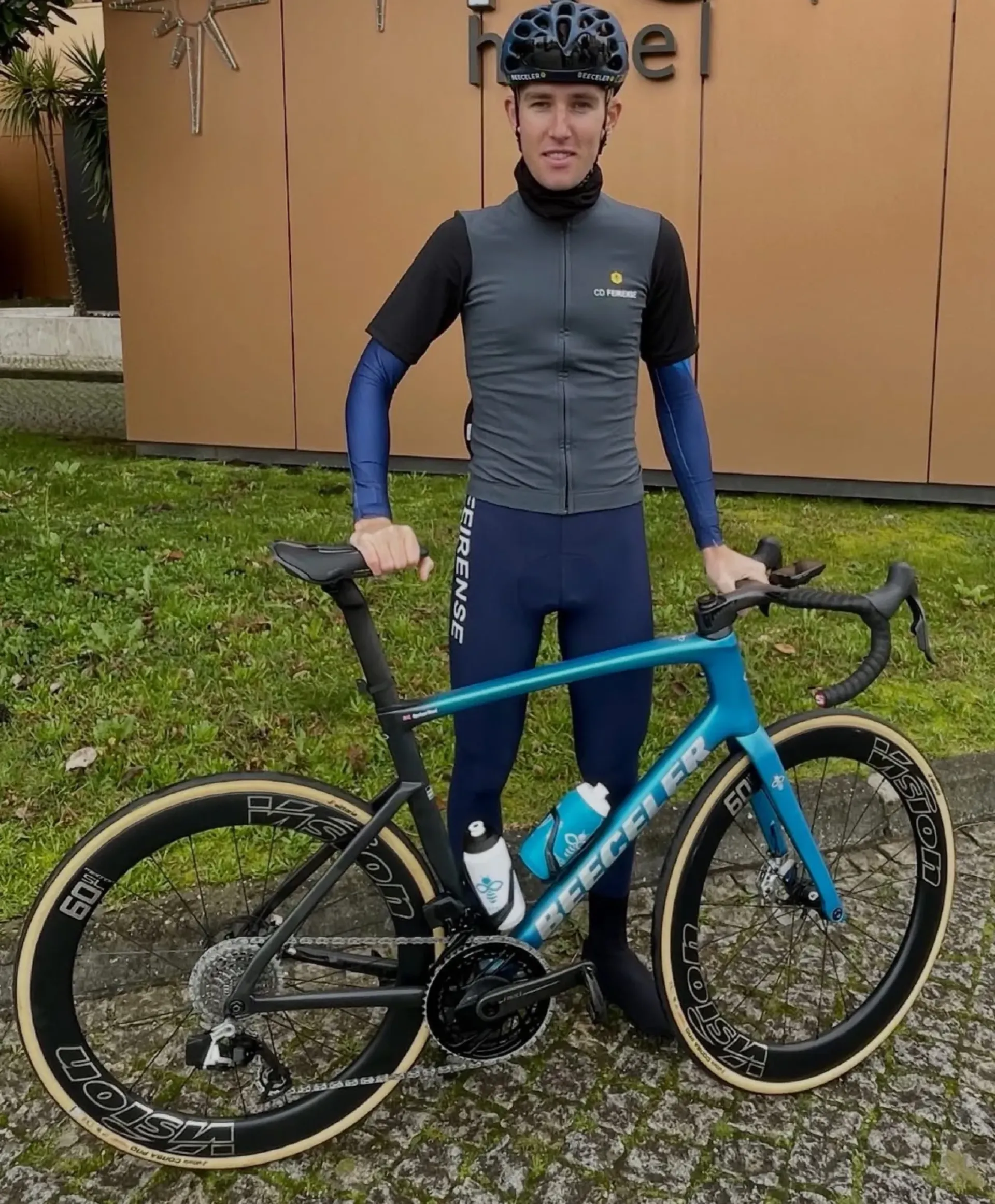
Meet Harrison Wood
Harrison Wood has spent the last years moving through very different layers of professional cycling. After developing through some of Europe’s most competitive structures, he reached the WorldTour with Cofidis, lining up in the sport’s biggest races, including the Giro d’Italia. Now racing for the Portuguese team Feirense–Beeceler, he brings that experience back into a different racing environment. The peloton is smaller, the races often more unpredictable, but the rhythm of the sport remains the same. Long days and the quiet accumulation of kilometers that define a rider’s season.
Harrison recently competed in the Volta ao Algarve, where his race came to an abrupt end after a crash and a broken collarbone . We asked him to send us his diary notes from the week.
From Harrison’s Diary: The start line in February
There is something particular about lining up in February.
The roads are the same ones that will host races in July and August, but the season still feels fragile. Riders arrive with months of winter preparation behind them, yet the certainty that comes with racing has not fully returned. Form exists somewhere between expectation and reality.
Volta ao Algarve has a way of accelerating that process. Five days are enough to reveal a lot. The peloton arrives with WorldTour teams, experienced stage racers, sprinters preparing their early victories. This year also carried something more personal.
The chance to see friends from other teams and reconnect with former staff members is always special. Racing for a Portuguese team in such a big Portuguese race also adds something extra.
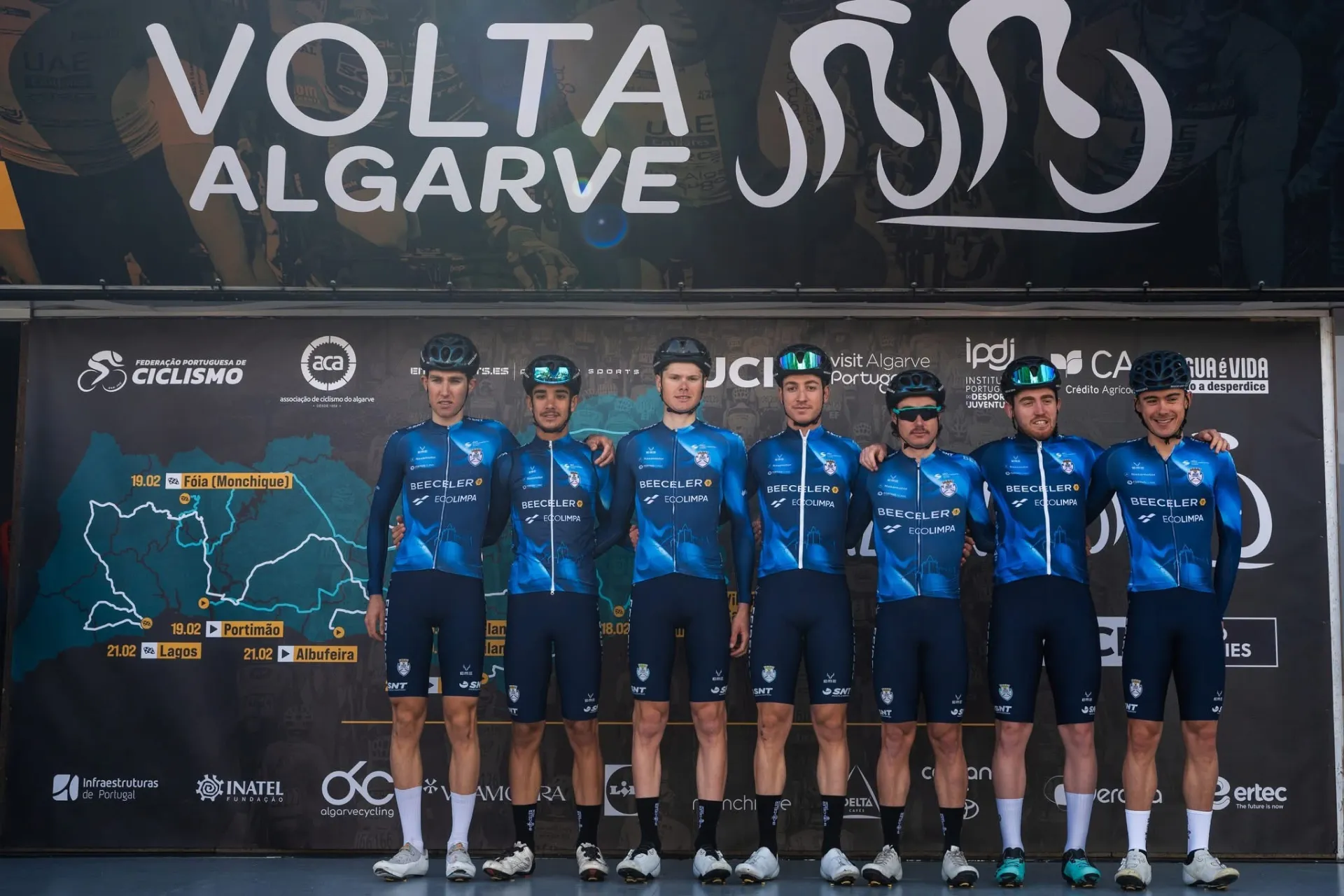
There is always a particular atmosphere around this race. The roads fill with spectators earlier than most February races. Teams arrive organized, the racing starts fast, and the peloton quickly finds its rhythm.
From inside the race, the feeling remains familiar. The level appears largely unchanged, perhaps slightly higher, but matched by a sense of having grown stronger. Once the neutral start ends, those reflections fade quickly. The race begins, and the road takes over.
The rhythm of a sprint stage
Some stages reveal themselves very early. This was one of them. You could tell immediately it would be a bunch sprint. Flat roads across the Algarve often invite that scenario. The breakaway goes, the peloton allows a controlled gap, and the sprint teams take responsibility for the race.
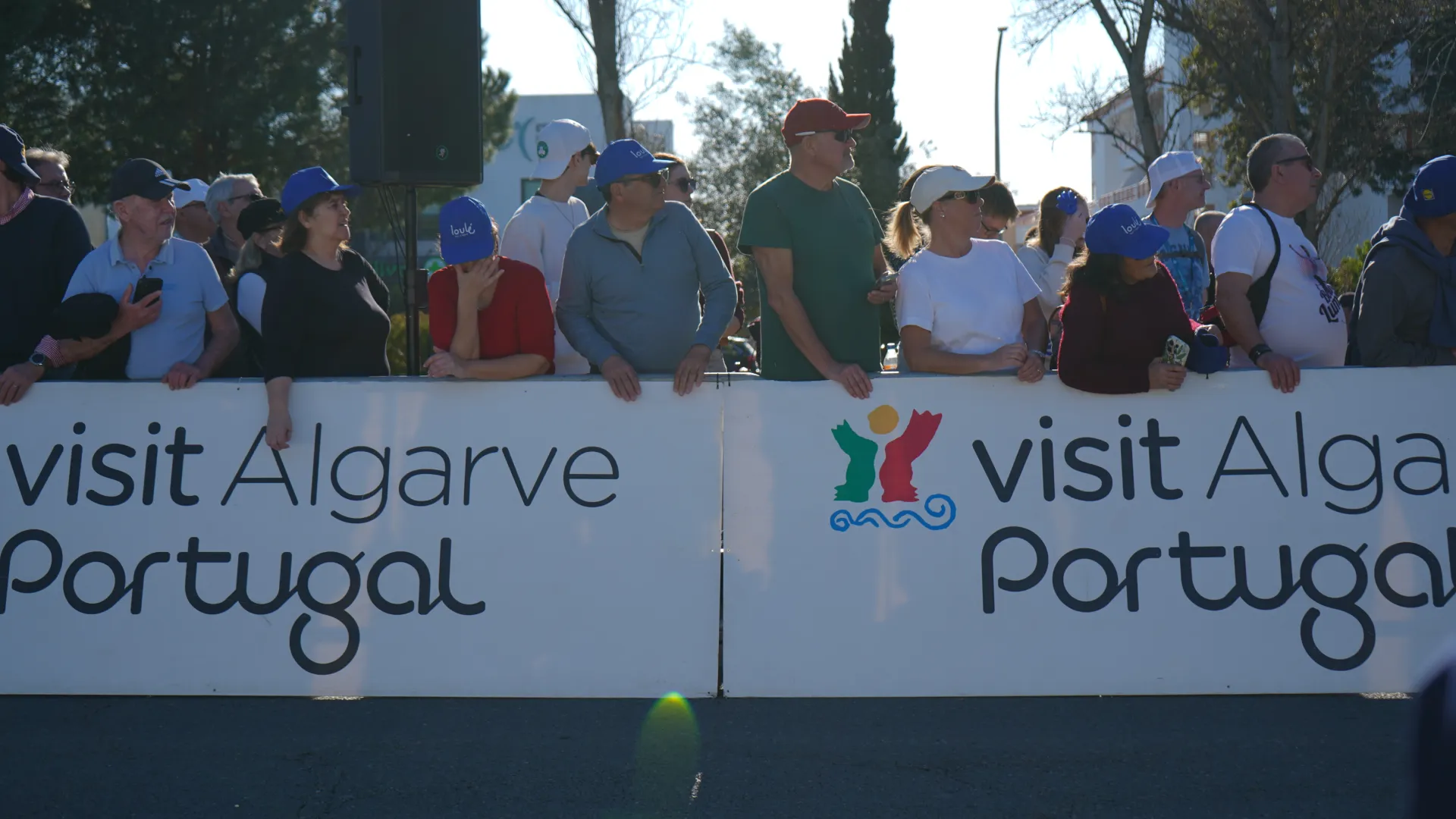
The team of the sprinters were gathered in front to make sure not a big breakaway went. From the outside, these stages may appear calm. But inside the peloton the feeling is different. The first stage of a race carries its own tension. Riders are fresh, positioning constantly shifts, and the bunch is still rediscovering its rhythm after the winter.
It was a nervous first stage, that’s for sure. Like most days in a race like this. Even when the outcome seems predictable, the pace never really drops. We rode hard from start to finish, the speed high all day. By the end of it, you could already feel the race beginning to take shape.
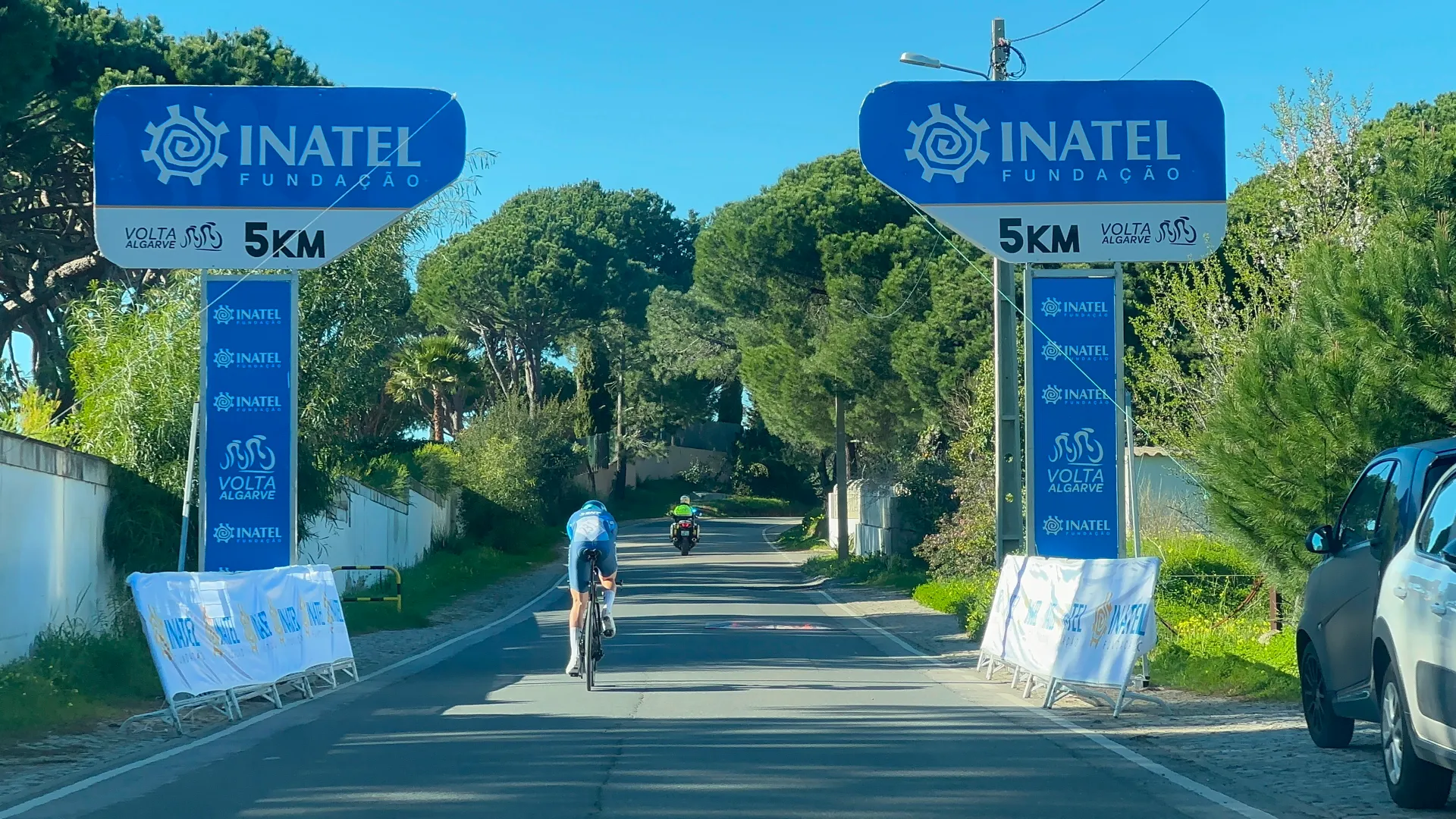
Chasing before Alto da Fóia
Mountain stages rarely begin at the mountain itself. The tension starts earlier, sometimes an hour before the decisive climb. The peloton tightens, teams gather around their leaders, and riders begin searching for position before the road even rises. But racing rarely unfolds exactly as expected.
Earlier in the stage, a problem with the rear wheel forced a chase back to the peloton, meaning the early positioning battles before the climb went largely unseen.
Mechanical problems always come with a cost. Time lost must be regained. Energy spent earlier in the stage becomes energy unavailable later, and significant effort was required to return before the climb.
Meanwhile the peloton continues forward, the rhythm slowly changing as the climb approaches.
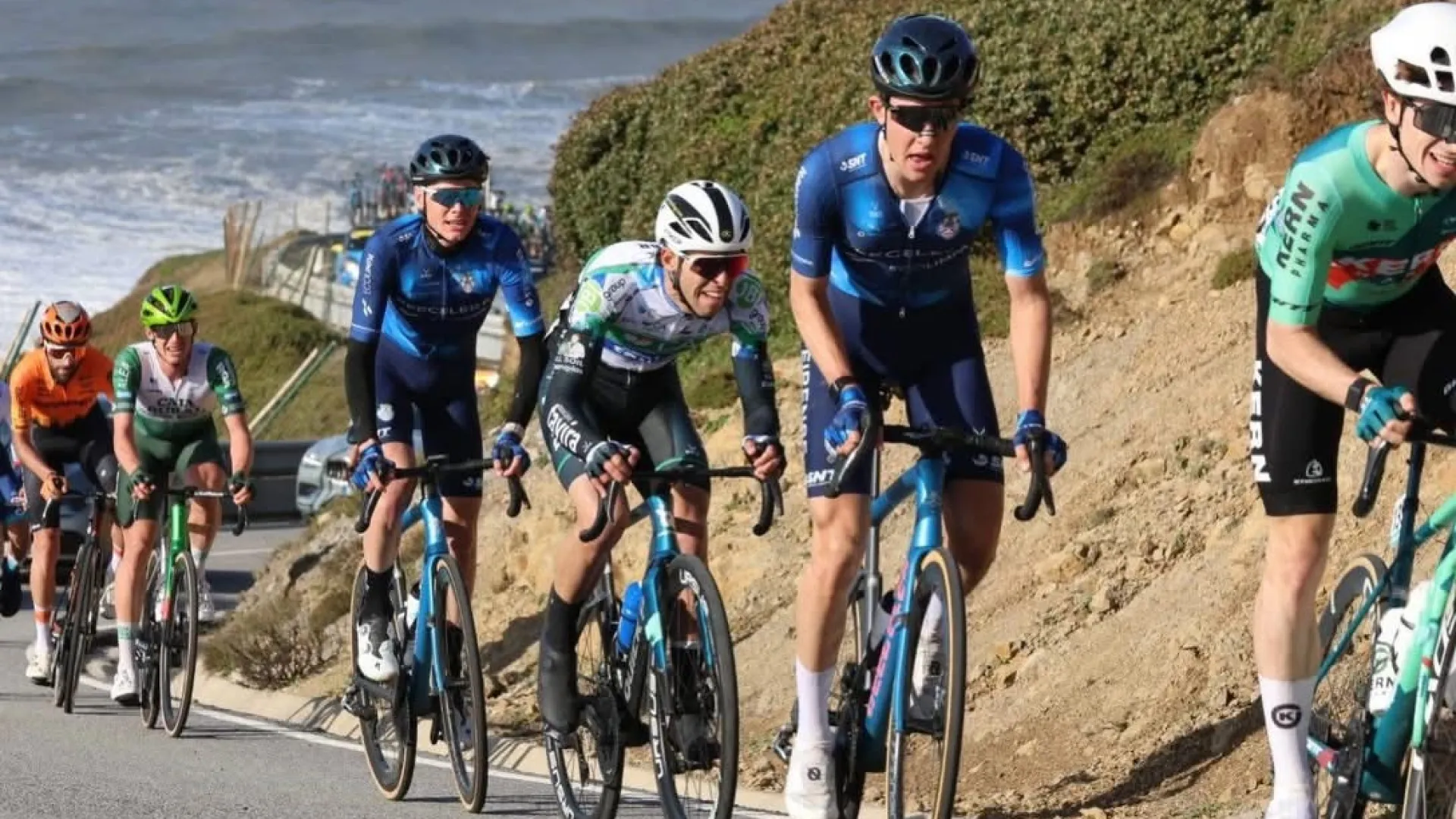
You could feel the tension from around 60km to the finish. The fight for position begins long before the first steep ramp. You have to begin fighting for position. Cycling today is guided by numbers, by watts and pacing strategies carefully calculated before the stage begins. But racing does not always respect numbers. I think riding to numbers is good but also you sometimes have to follow the hard pace before it eases back a bit. The plan was clear. I had planned to do that but I was already full of lactic. Sometimes the race arrives before the plan does.
Planning your own adventure?


The day against the clock
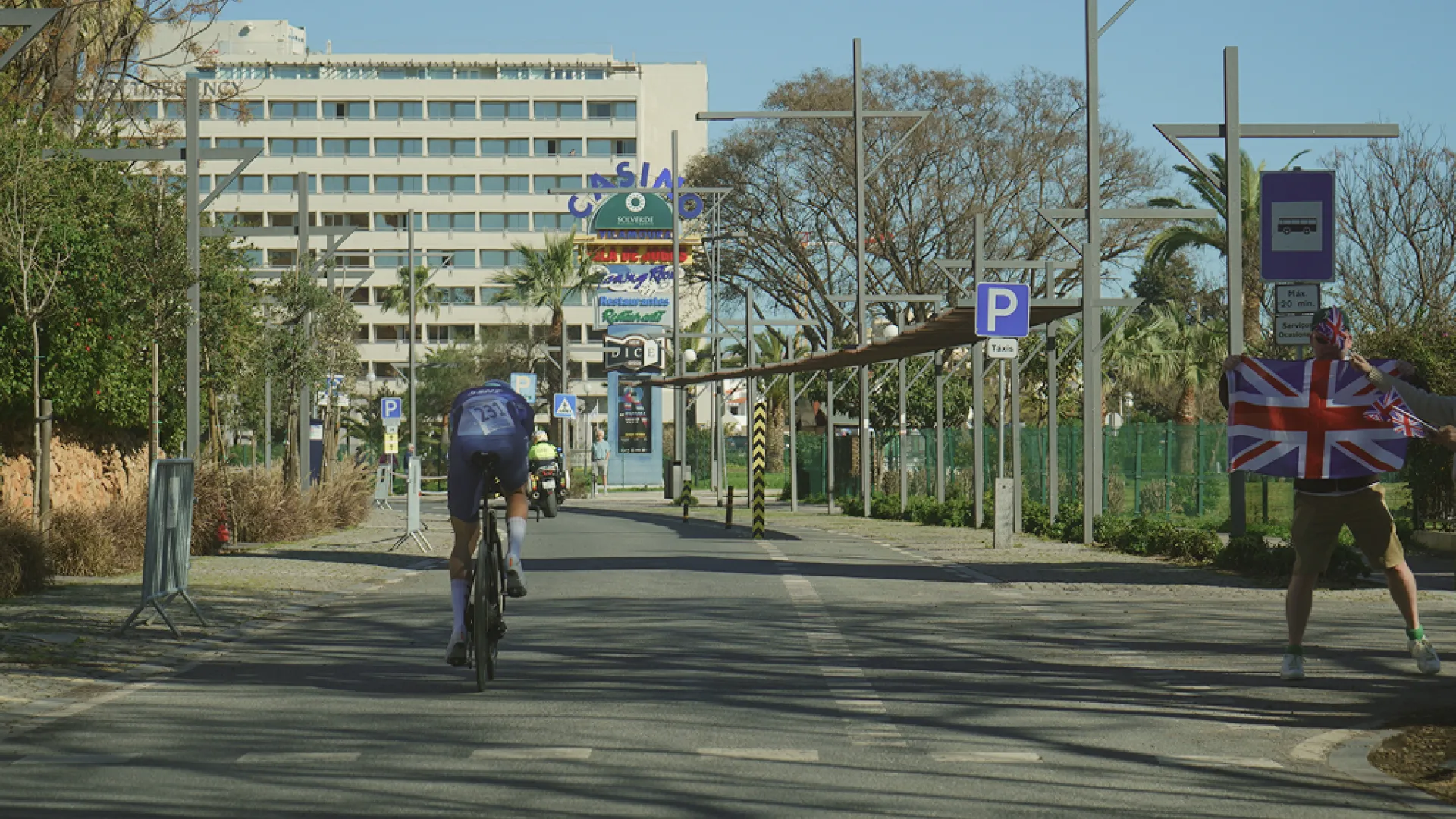
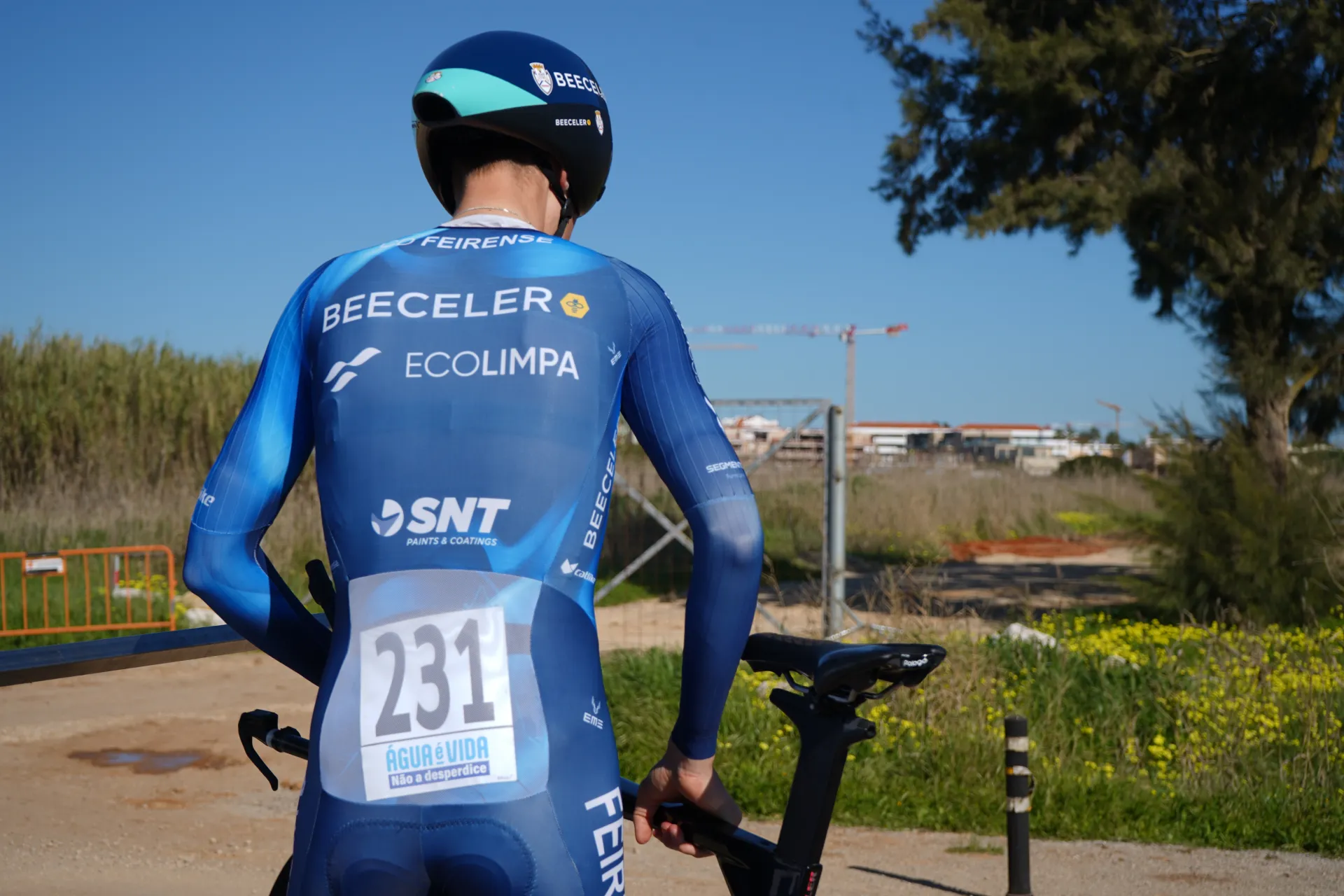
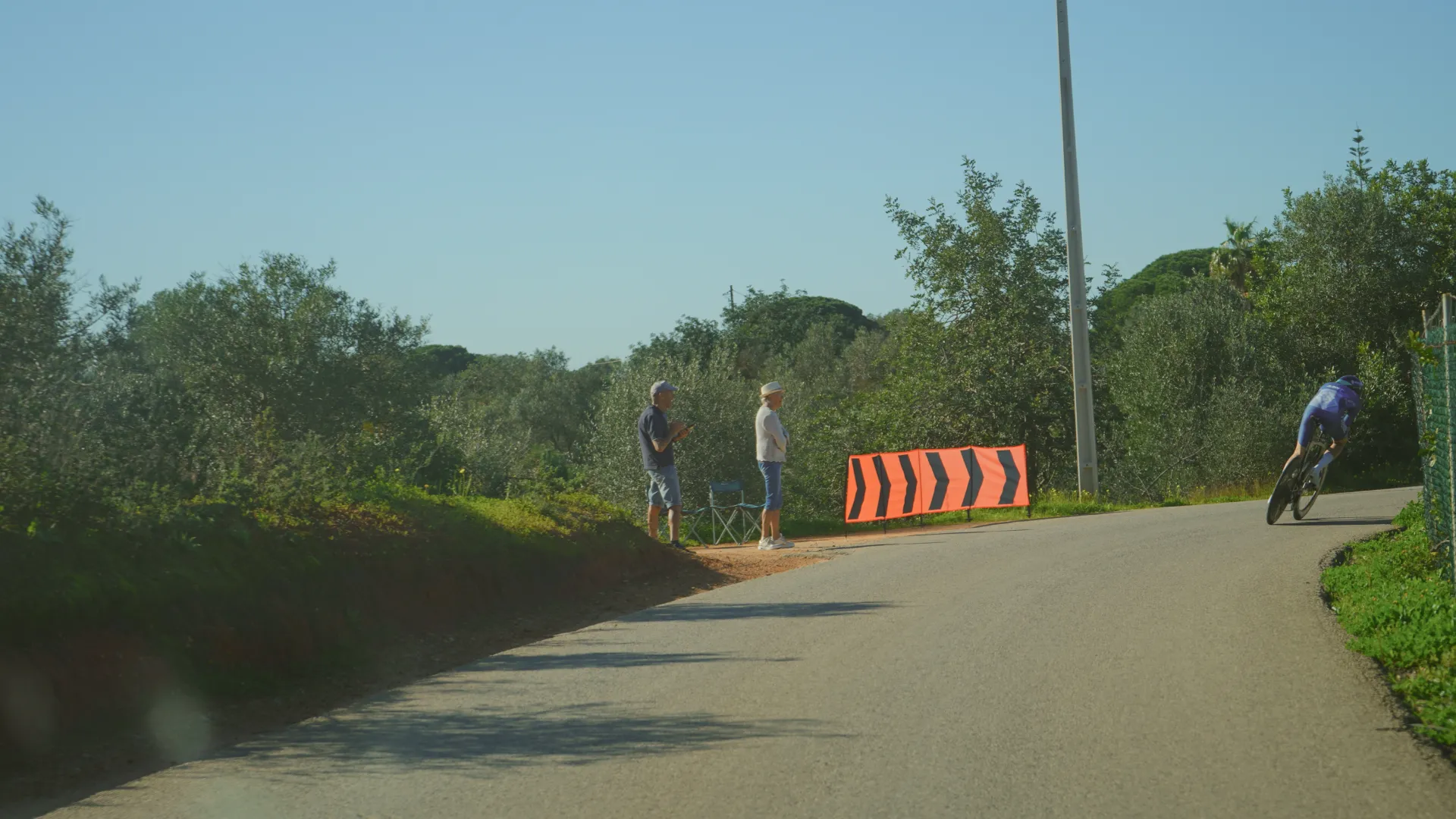
After the constant movement of a road stage, a time trial feels like a different discipline. The peloton disappears. The race becomes quiet, almost solitary. You change focus already from the day before. Preparation begins the evening before, when riders start thinking about the specific demands of the effort ahead. I always try to eat some less fibre the night before and maybe just some rice and chicken.
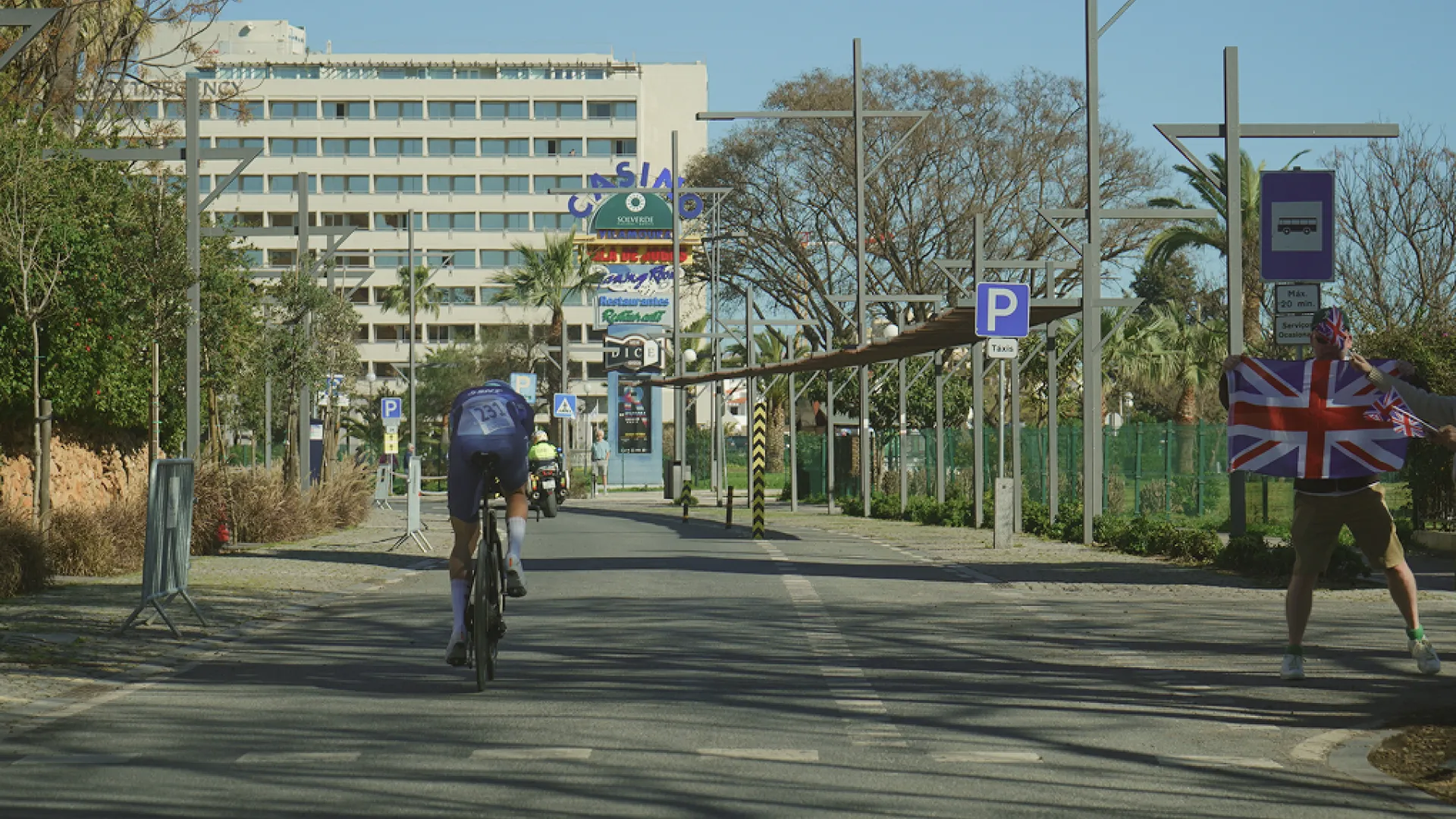
Time trial days often feel strangely disproportionate inside a stage race. TT day is always special. It’s a long day for a very small total effort. Hours of preparation for minutes of effort. They are demanding but good fun. And sometimes they even provide a different rhythm to the race. Sometimes like in giro you can take them almost as rest day. Where you just do warm up then you make the TT (Time Trial). Then you can have a more relaxed day before you focus on the next day coming. But stage races rarely remain quiet for long.
When everything came down
The stage was moving toward its conclusion. The peloton compresses in those final kilometers. Riders move closer together, the speed goes up, and the road begins to feel narrower than it really is.
Then the race changed. It was a disappointing day. The road had some gravel on the corner which meant the rider in front crashed and took me down. In cycling, crashes arrive without warning. One moment the peloton moves forward as a single rhythm across the road. The next moment everything stops. I had pain for sure!
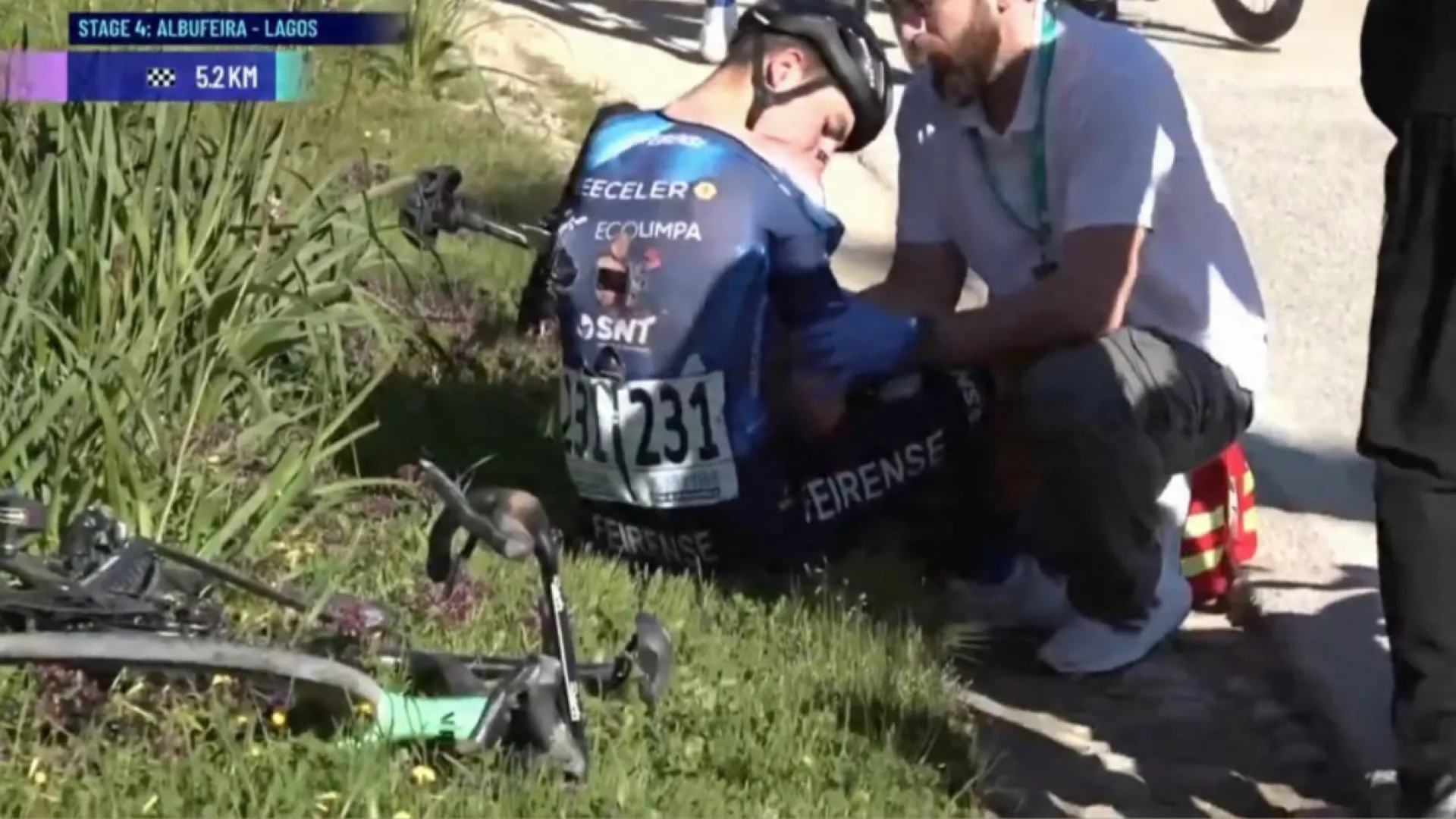
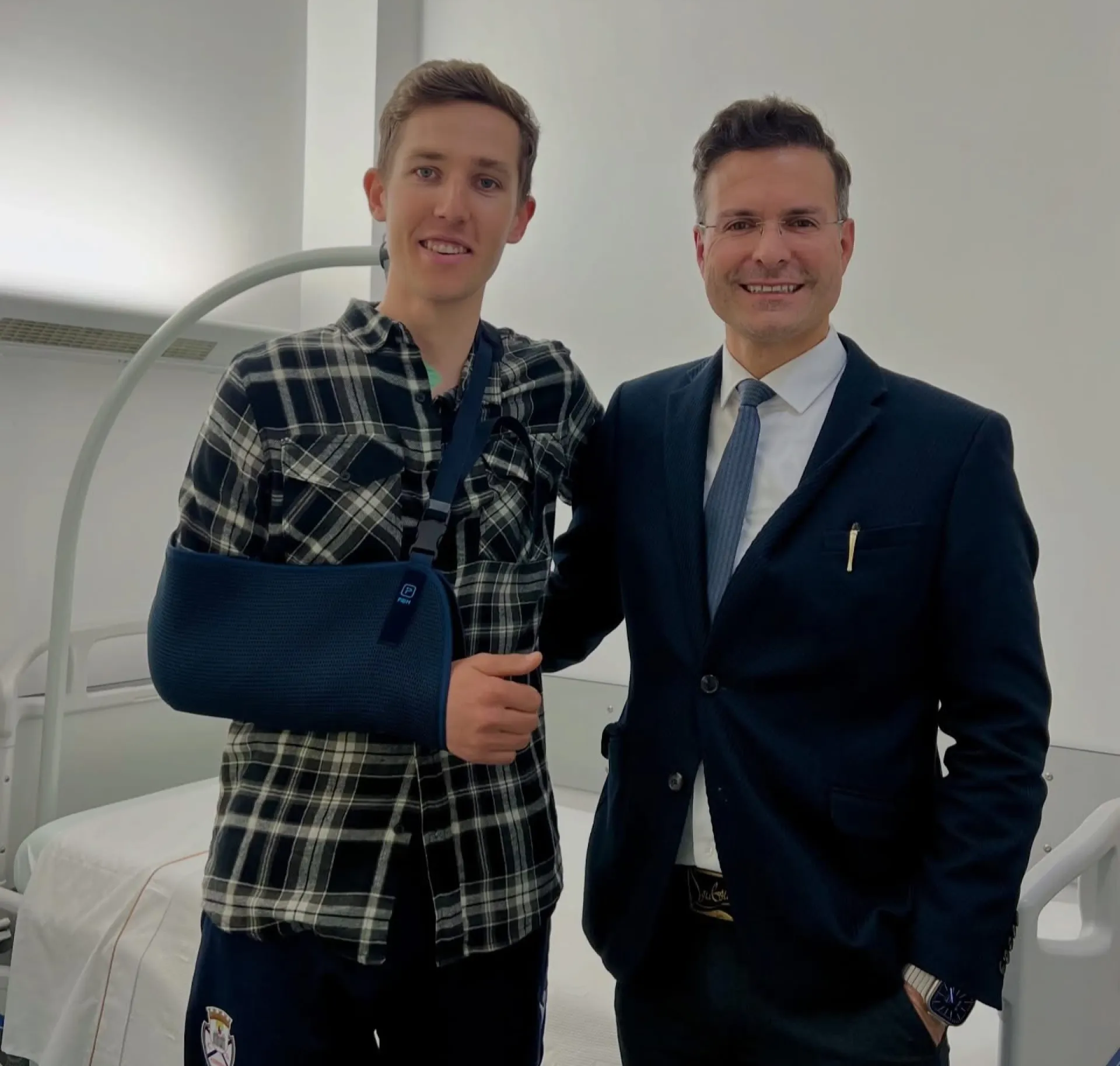
The medical diagnosis would confirm it shortly after: a fractured collarbone. The race was over.
The collarbone is now fixed so I’m focused on recovery. For now, the focus has shifted away from racing. It’s about taking time to heal but to also try and come back on a good high level in the upcoming races! That gives me motivation!
Stage races always continue. The peloton rolls on to the next day, the next climb, the next finish line somewhere further down the road. But when a rider leaves a race early, the memory of it condenses into fragments.
A fast first stage across the Algarve roads. The long chase before Alto da Fóia. The quiet effort of a time trial. Four days that now feel shorter than they did while racing them. Cycling seasons are built like this. Not only through victories or results, but through the small pieces that remain afterwards.
A few stages. A few kilometers. A few moments that stay longer than the race itself.
And somewhere ahead, another start line waiting.
